Latest posts
-
Ethics of Autonomy: Navigating Bias in Algorithmic Decision-Making

As artificial intelligence moves from theoretical research into the heart of public infrastructure—influencing everything from credit approvals to hiring processes—the “black box” nature of these systems presents a significant ethical challenge. Algorithmic bias often stems from the data used to train these models; if historical data contains human prejudices, the AI will naturally codify and
-
Generative AI in Creative Industries: Redefining the Role of the Content Creator

The explosion of generative AI tools has sparked a debate: is this the end of creativity or a powerful new era for creators? Tools capable of generating high-fidelity images, music, and text are lowering the barrier to entry, allowing individuals to manifest complex visions without needing deep technical mastery of traditional software. However, the role
-
Low-Code/No-Code AI: Democratizing Machine Learning for Small Enterprises
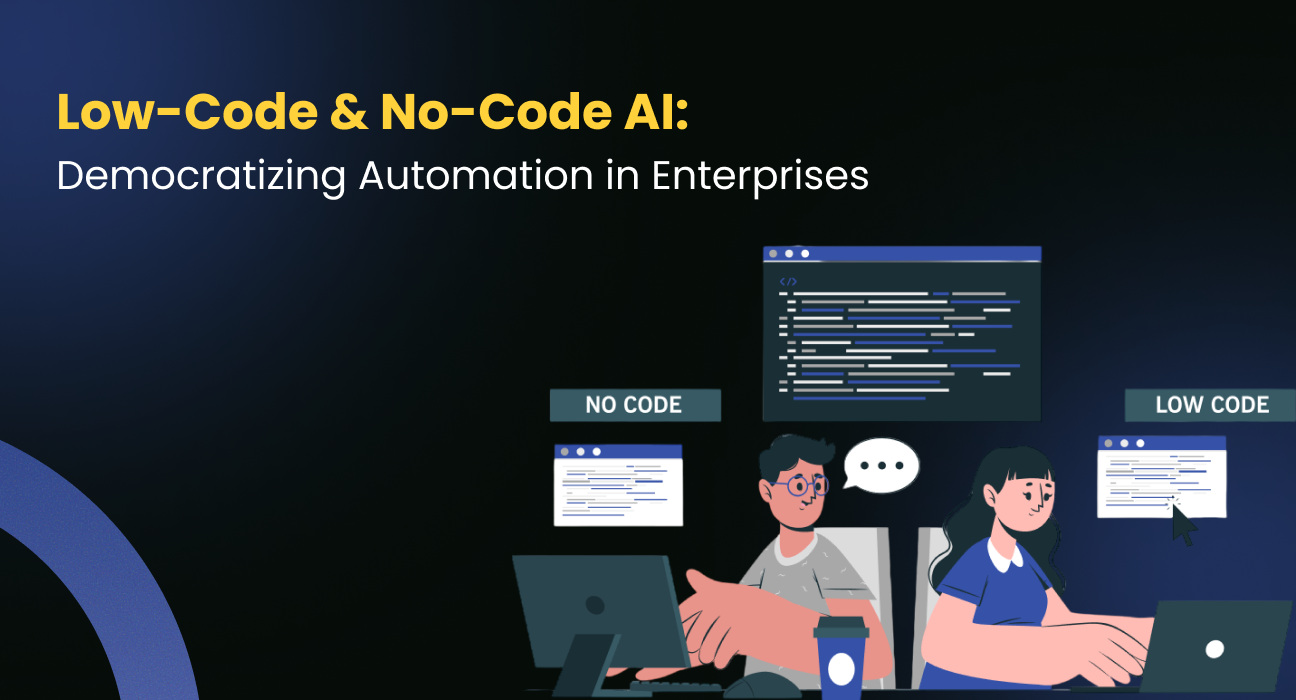
For years, implementing AI was a luxury reserved for tech giants with massive budgets and specialized data science teams. The emergence of low-code and no-code platforms is rapidly dismantling this barrier. These visual interfaces allow business owners to drag and drop components to build predictive models or automate customer service without writing a single line
-
The Rise of Edge AI: Moving Computation from the Cloud to the Device
For the last decade, the cloud has been the brain of the digital world. However, the sheer volume of data generated by modern devices is creating a “latency tax” that many applications can no longer afford. Edge AI shifts the heavy lifting of machine learning from centralized servers directly onto local hardware—such as smartphones, industrial
-
AI-Driven Predictive Maintenance: Optimizing Industrial Workflows
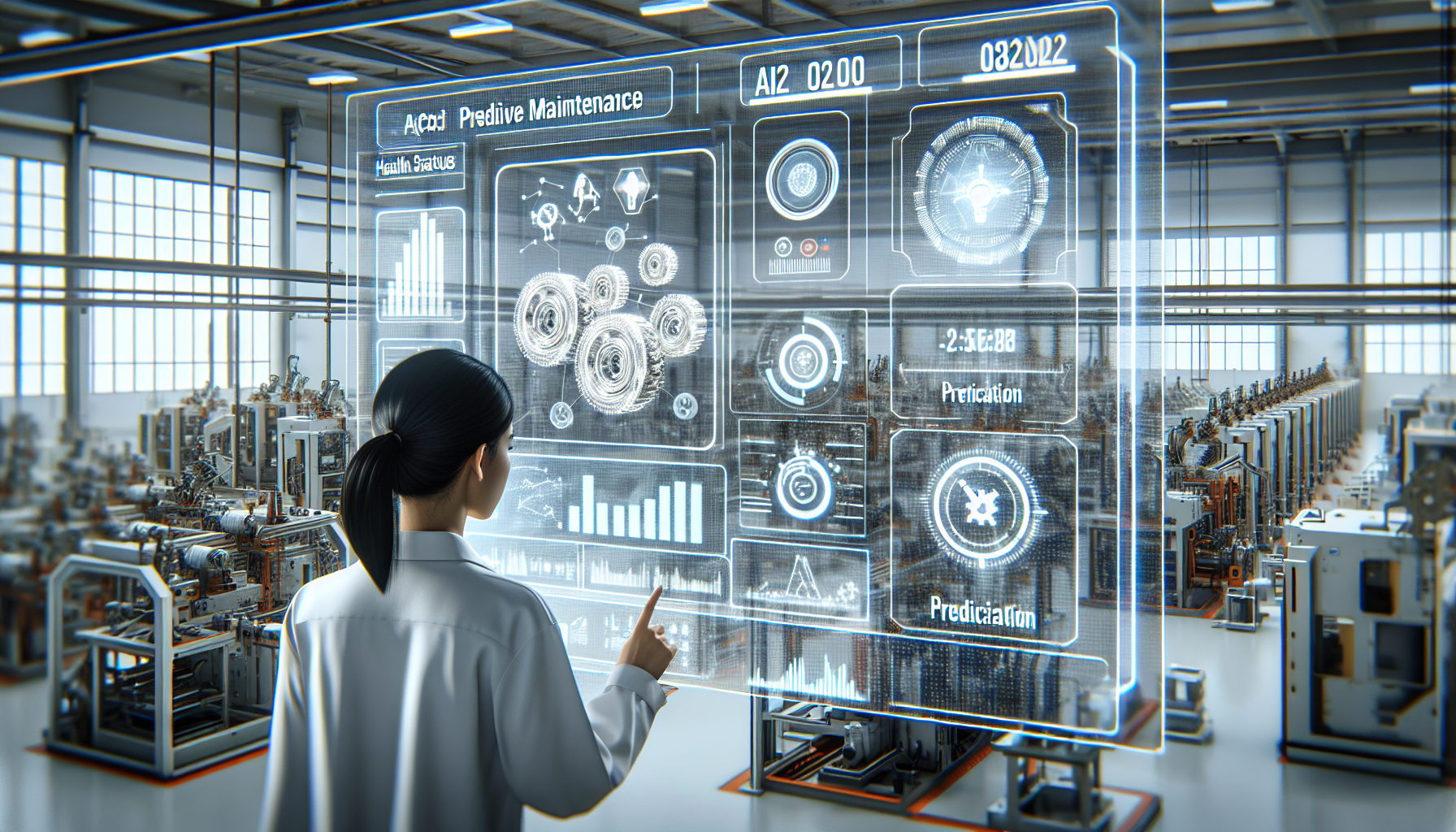
In the world of high-stakes manufacturing, “if it ain’t broke, don’t fix it” is a dangerous philosophy. Traditional maintenance is either reactive (fixing things after they fail) or scheduled (fixing things based on time, even if they are fine). AI-Driven Predictive Maintenance offers a third, more efficient path. By utilizing vibration sensors, thermal imaging, and
-
Explainable AI (XAI): Bridging the Gap Between Logic and Understanding
As AI models—particularly deep learning neural networks—become more complex, they also become more opaque. For industries like healthcare, law, and finance, a “trust me” approach from a machine is not enough. Explainable AI (XAI) is the movement to make AI decisions transparent and interpretable by humans. XAI techniques aim to provide a “rationale” for every
-
Digital Twin Technology in Personalized Medicine: Simulating Patient Outcomes
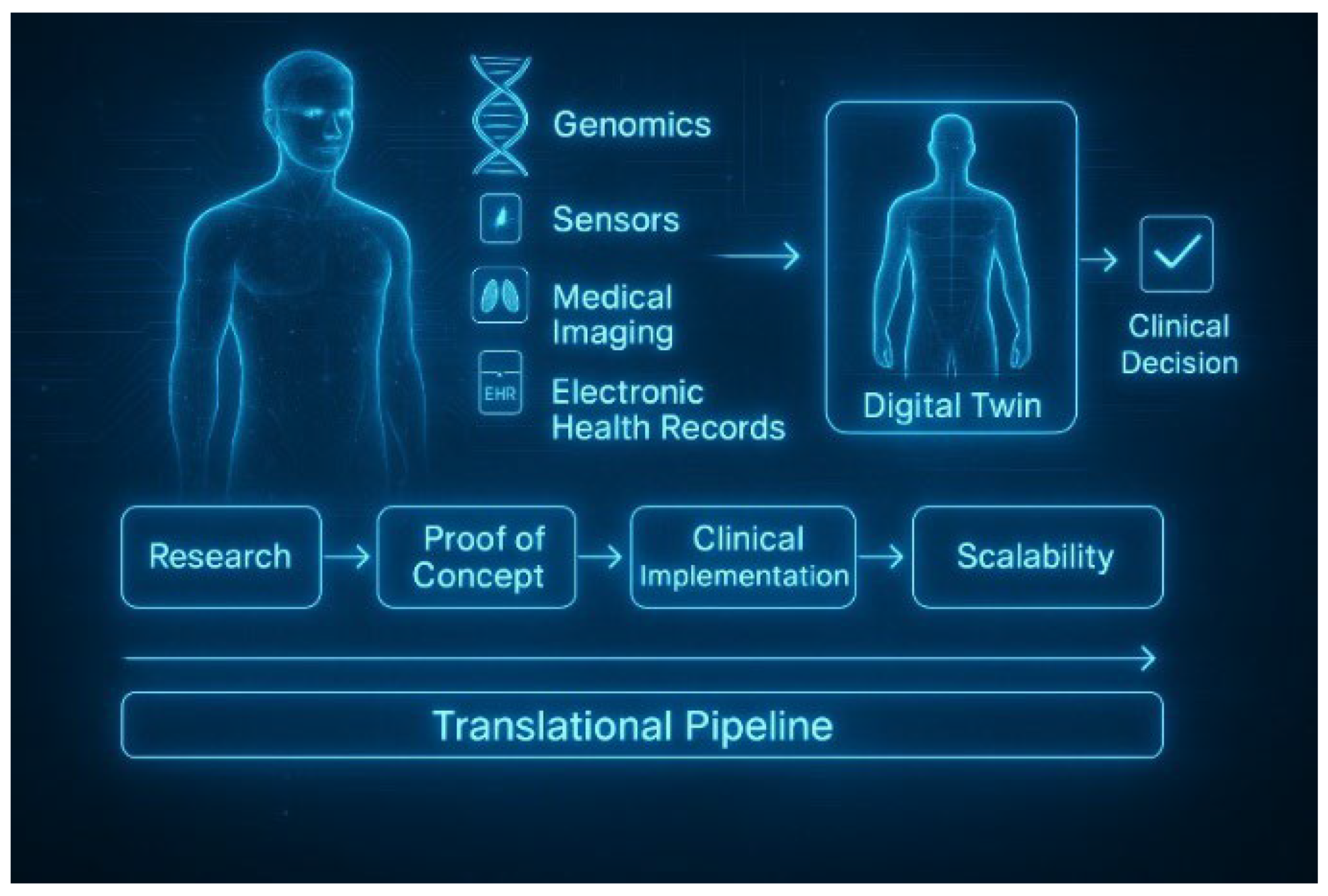
Imagine a virtual replica of your own biology—a “Digital Twin”—that doctors can use to test treatments before they ever touch your body. In personalized medicine, Digital Twins integrate genomic data, lifestyle metrics from wearables, and clinical imaging to create a dynamic computational model of a patient. This technology allows for:
-
AI in Drug Discovery: Accelerating the Path to Clinical Trials
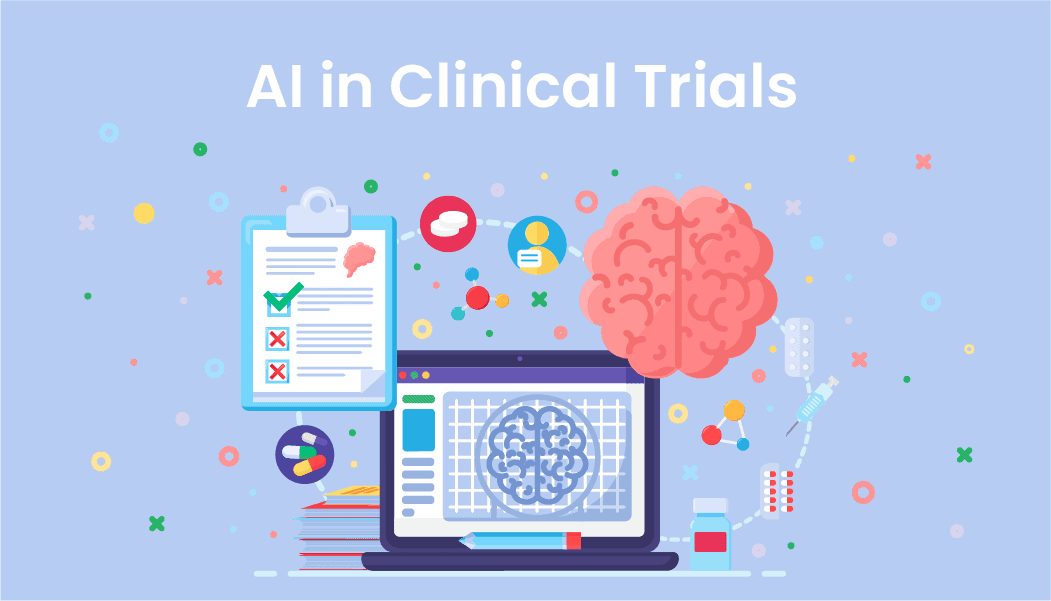
Traditionally, bringing a new drug to market takes over a decade and billions of dollars, with a high failure rate in the early stages. Artificial Intelligence is flipping this script by analyzing molecular structures and biological data at speeds human researchers cannot match. AI contributes to the pipeline by:
-
Integrating Wearable Sensors and Blockchain for Secure Patient Monitoring
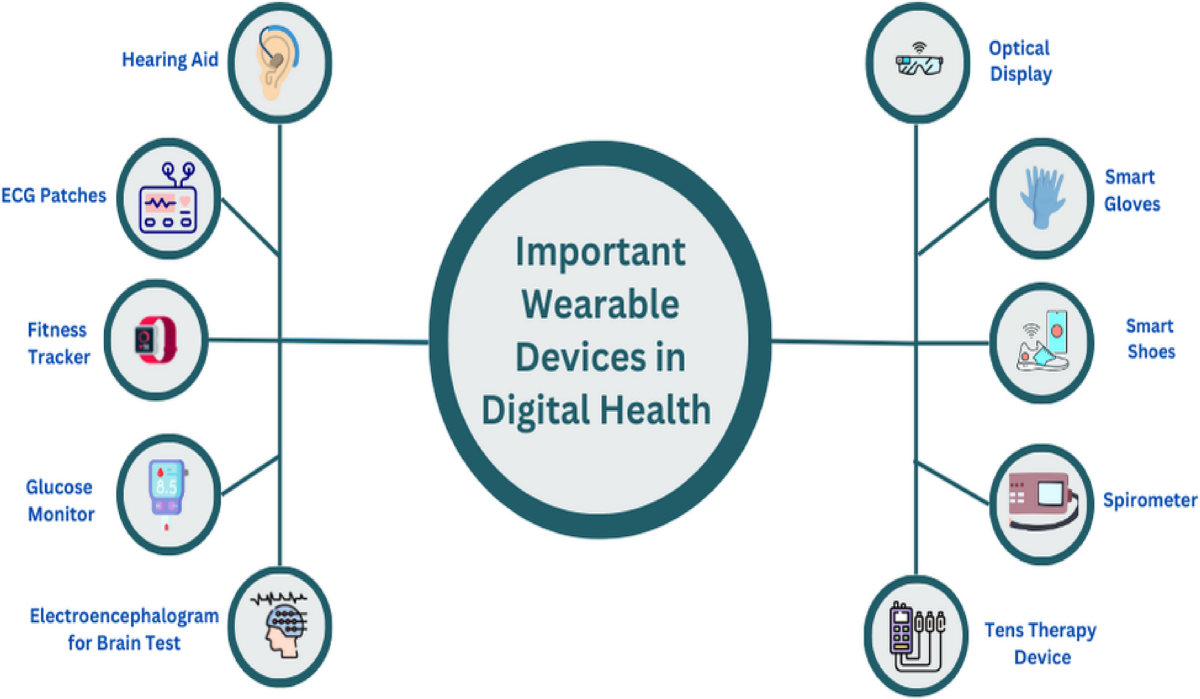
The explosion of wearable HealthTech—from smartwatches to continuous glucose monitors—has created a massive influx of sensitive data. The challenge lies in keeping this data accessible for doctors while ensuring it remains private and tamper-proof. Blockchain technology provides the decentralized architecture needed to secure these streams. Key benefits include:
-
Telemedicine 2.0: The Impact of 5G on Remote Surgical Assistance

While the first wave of telemedicine focused on video consultations, “Telemedicine 2.0” is moving into the operating room. The primary barrier to remote surgery has always been latency—the split-second delay between a surgeon’s movement and the robotic arm’s response. With 5G networks offering ultra-low latency and massive bandwidth, this gap is closing. This evolution enables: