Sultan Alp Arslan’s Accession (1064): The Conquest of Ani and the Rise of the Great Seljuks
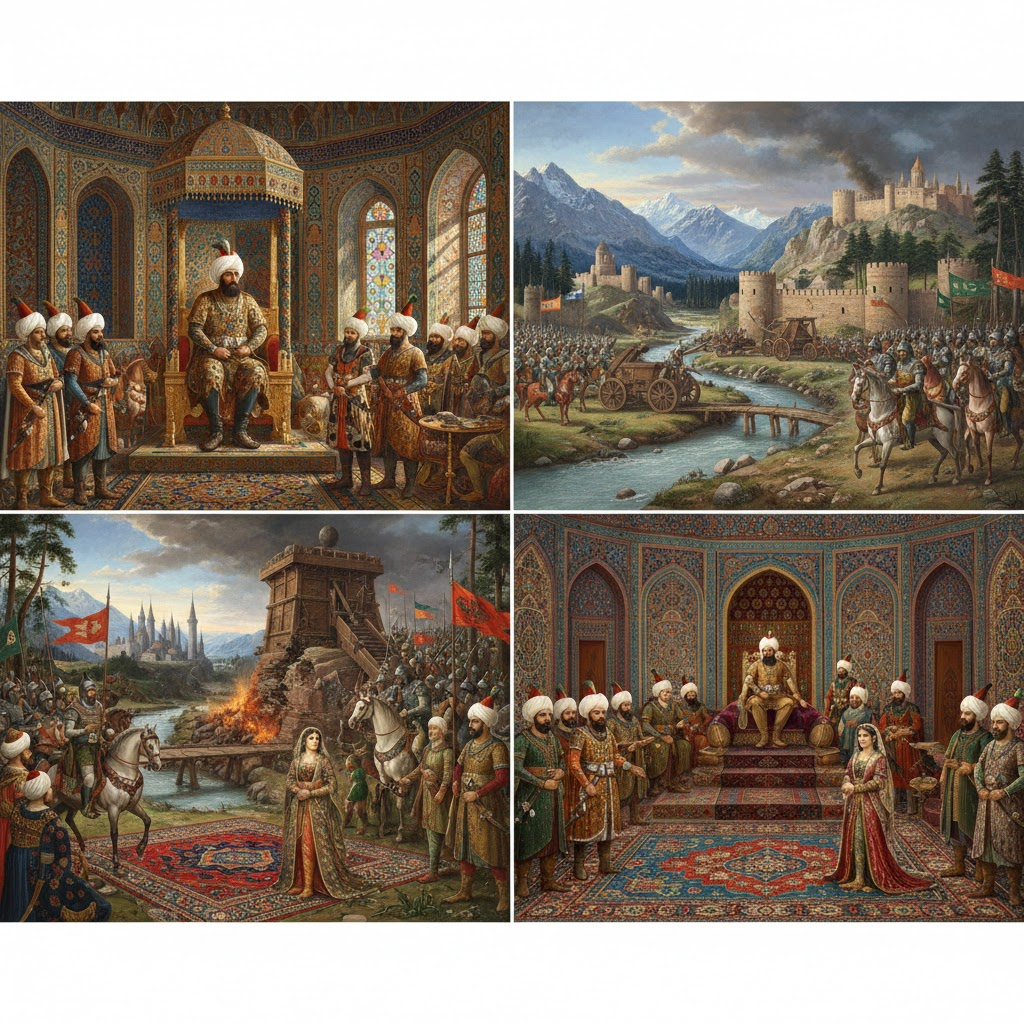
Meta Description: Discover the pivotal moment of Sultan Alp Arslan’s accession in January 1064, tracing his rise following the death of Tughril Beg. Explore the strategic early campaigns in Georgia and the historic, brutal Siege of Ani.
The Succession Crisis and Alp Arslan’s Rise
The foundation of the Seljuk state was laid by leaders like Chaghri Beg. Following the death of his father, Chaghri Beg, in 1059 AD (451 AH), the capable Alp Arslan (meaning “Heroic Lion”) inherited the governorship of Merv. However, the decisive shift came with the death of his uncle, the first Sultan, Tughril Beg.
When Tughril Beg died in 1063 AD (455 AH), the entire Seljuk nobility focused their attention on Alp Arslan. His reputation for bravery, military genius, and justice made him the undisputed choice over other contenders.
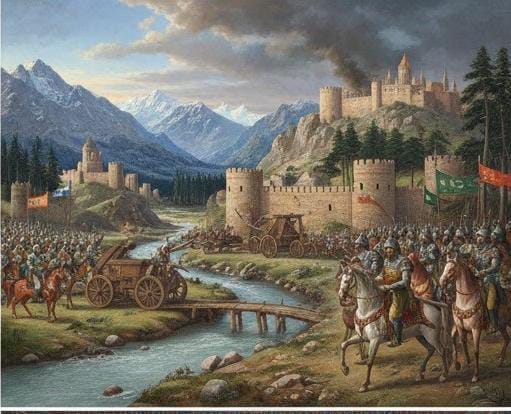
Formal Enthronement (January 1064)
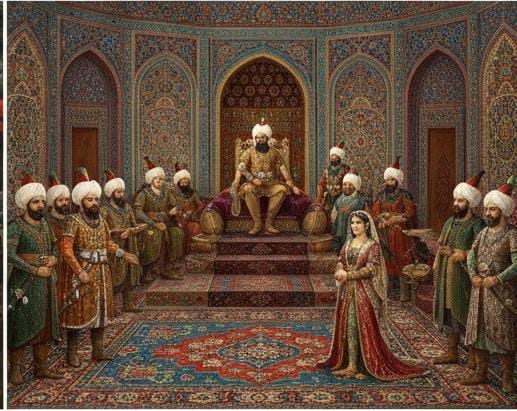
In Muharram 456 AH, corresponding to the end of January 1064, Alp Arslan ascended the throne as the second Sultan of the Great Seljuk Empire. His vast domain at the time spanned crucial Islamic regions, including Khurasan, Isfahan, Azerbaijan, Iraq, and Rayy.
Legitimacy and the Abbasid Caliphate
A key step in Alp Arslan’s accession was securing religious and political legitimacy. He immediately contacted the Abbasid Caliph in Baghdad, Al-Qa’im bi-Amr Allah, for formal recognition.
On April 27, 1064 (15 Jumada al-Awwal 456 AH), the Caliph formally confirmed the Sultanate in a grand public ceremony. Alp Arslan was granted the prestigious honorific titles of Dhiya al-Din (Light of the Faith) and Adud al-Dawla (Arm of the State). The reading of the khutbah (sermon) in his name in Baghdad became the ultimate symbol of his supreme authority across the Islamic world.
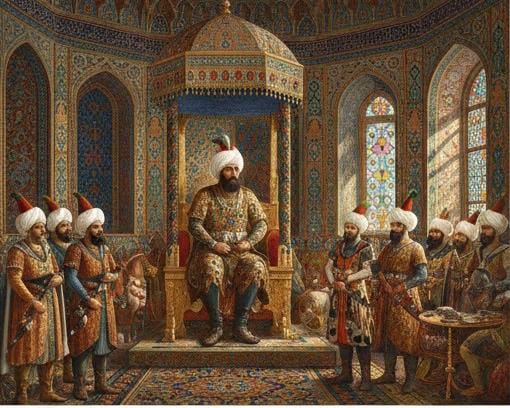
⚔️ Alp Arslan’s Early Conquests: Campaign Trail Begins
Sultan Alp Arslan did not wait for formal confirmation to consolidate his power. His initial actions focused on suppressing regional revolts and expanding the borders.
The Georgian and Armenian Fronts (1064)
In February 1064, Alp Arslan led a mighty army toward Azerbaijan. After crossing the Aras River, he dispatched his young son, Malik Shah, alongside his legendary vizier, Nizam al-Mulk Tusi, toward the regions of Anjaz (Georgia).
- Malik Shah demonstrated extraordinary valor in his youth, capturing several fortresses.
- The ruler of Georgia, Bagrat, soon sought peace and agreed to pay the jizya (tribute).
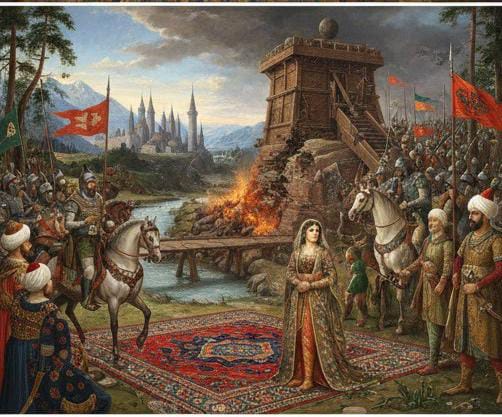
The Great Siege and Fall of Ani
Following the successful Georgian campaign, Alp Arslan turned his entire force toward Christian Armenia. The ultimate target was the heavily fortified city of Ani, the capital of the Bagratid kingdom, known for its high walls, natural defenses, and over 500 churches.
The Siege of Ani (June 1064): The Seljuks launched a massive assault in June 1064 (Rajab 457 AH). Realizing the difficulty of a direct attack, Sultan Alp Arslan employed advanced siege weaponry and tactics:
- Siege Towers: He constructed large wooden siege towers (burj), mounting powerful trebuchets (manjaniqs).
- Mining: Seljuk engineers and miners tunneled beneath the walls to destabilize the foundations.
The relentless bombardment caused a major section of the wall to collapse. The Seljuk forces rushed in, and the city surrendered. The Conquest of Ani in 1064 was a monumental victory, effectively ending the ancient Christian Bagratid state of Armenia and cementing Seljuk dominance across the Caucasus region.
Political Consolidation and Strategic Alliances
Following these crucial early conquests, Alp Arslan returned to Isfahan, focusing on solidifying the empire internally through strategic diplomatic marriages. This demonstrated that he was not merely a warrior, but also a skilled statesman:
- Central Asian Alliance: He arranged the marriage of his son, Malik Shah, to the daughter of Taghach Khan of Transoxiana, fostering unity among Turkic states.
- Eastern Security: His other son, Arslan Shah, married the daughter of Sultan Ibrahim Ghaznavi, establishing a strong diplomatic link with the Ghaznavid dynasty on the eastern frontier.
Conclusion: The Legacy of Alp Arslan (1064)
The era defined by Alp Arslan’s accession (1064) and his swift early victories marked the true beginning of the Great Seljuk Empire as a world power. He secured the alliance with the Abbasid Caliphate, achieved critical territorial gains in Azerbaijan and the Caucasus (Ani), and showed remarkable political wisdom. This strategic foundation paved the way for the later Golden Age of Seljuk civilization under his son, Malik Shah, and the brilliant Vizier Nizam al-Mulk.
سلطان الپ ارسلان کی تخت نشینی: ایک نئے دور کا آغاز اور ابتدائی فتوحات (1064ء)
Meta Description: سلطان الپ ارسلان کی 1064ء میں تخت نشینی کے اہم تاریخی لمحات اور سلجوقی سلطنت کے لیے ان کی ابتدائی فتوحات (گرجستان اور شہرِ آنی کی فتح) پر ایک گہرائی سے نظر۔
سلجوقی سلطنت کی تاریخ میں سلطان الپ ارسلان کا دور غیر معمولی اہمیت کا حامل ہے۔ وہ ایک ایسے موڑ پر تخت نشین ہوئے جب سلطنت کی بنیادیں تو پڑ چکی تھیں، لیکن اسے مشرقِ اسلامی کی سب سے بڑی طاقت بنانا باقی تھا۔ یہ مضمون ان کی تخت نشینی، عباسی خلافت سے ان کے تعلقات، اور ان کی پہلی عظیم فوجی مہمات کا احاطہ کرتا ہے۔
🕌 چغری بیگ سے مرو کی حکمرانی تک
سلجوقی خاندان کے بانی قائدین میں سے ایک، چغری بیگ، کی وفات سنہ 451ھ / 1059ء میں ہوئی، جس کے بعد ان کے باصلاحیت فرزند سلطان الپ ارسلان نے “مَرْو” (Merv) کے خطے کی حکمرانی سنبھال لی۔ ان دنوں ان کے چچا، طغرل بیگ، سلجوقی سلطنت کو وسعت دے رہے تھے اور وہ مشرقِ اسلامی کے سب سے طاقتور حکمران بن چکے تھے۔
🐅 طغرل بیگ کی وفات کے بعد الپ ارسلان کا عروج
سنہ 455ھ / 1063ء میں جب طغرل بیگ کا انتقال ہوا، تو تمام سلجوقی امراء اور سرداروں کی نگاہیں الپ ارسلان پر مرکوز ہو گئیں۔ اس کی وجہ صرف ان کی خاندانی حیثیت نہیں تھی، بلکہ ان کی ذاتی خوبیاں تھیں۔ وہ اپنی بہادری، عدل پسندی اور متاثر کن فوجی ذہانت کے لیے شہرت رکھتے تھے۔
تاریخی تخت نشینی:
بالآخر، محرم 456ھ / جنوری 1064ء کے آخر میں، الپ ارسلان نے باقاعدہ طور پر سلجوقی سلطنت کے دوسرے سلطان کی حیثیت سے تخت سنبھالا۔ اس وقت ان کی عملداری خراسان، اصفہان، آذربائیجان، عراق اور بہت سے دیگر وسیع خطوں پر پھیلی ہوئی تھی۔
📜 خلافتِ عباسیہ سے شرعی توثیق
تخت سنبھالنے کے بعد، سلطان الپ ارسلان نے سب سے اہم کام یہ کیا کہ انہوں نے عباسی خلیفہ قائم بامر اللہ کو پیغام بھیجا تاکہ ان کی سلطنت کی شرعی توثیق حاصل کی جا سکے۔ خلیفہ نے ان کا خیرمقدم کیا اور 15 جمادی الاول 456ھ / 27 اپریل 1064ء کو بغداد میں ایک شاندار دربار منعقد کیا۔
اس موقع پر الپ ارسلان کی سلطنت کی باقاعدہ توثیق کی گئی اور انہیں ضیاء الدین اور عضد الدولہ کے اعزازی خطابات سے نوازا گیا۔ بغداد میں سلطان کے نام کا خطبہ پڑھا جانا، اسلامی دنیا میں ان کی حکمرانی کی سب سے بڑی علامت بن گیا۔
⚔️ فتوحات کا آغاز: سلطنت کا پھیلاؤ
سلطان نے اپنے عروج کے فوراً بعد سلطنت کے استحکام اور پھیلاؤ کی طرف توجہ دی۔ فتوحات کا آغاز خلافت سے اذنِ حکمرانی ملنے سے پہلے ہی ہو چکا تھا۔
آذربائیجان اور گرجستان کی مہم:
ربیع الاول 456ھ / فروری 1064ء میں، الپ ارسلان ایک طاقتور لشکر لے کر آذربائیجان کی طرف روانہ ہوئے۔ دریائے ارس عبور کرنے کے بعد، انہوں نے اپنے بیٹے ملک شاہ اور مشہور وزیر نظام الملک طوسی کو جارجیا کے علاقے “اَنجاز” کی طرف بھیجا۔ ملک شاہ نے شجاعت کا مظاہرہ کرتے ہوئے کئی قلعے فتح کیے۔ جارجیا کے فرمانروا بقراط نے خوفزدہ ہو کر جزیہ ادا کرنے کی پیشکش کے ساتھ صلح کر لی۔
مسیحی ارمینیہ اور شہرِ آنی کی فتح:
گرجستان کی مہم کے بعد، سلطان الپ ارسلان کی تخت نشینی کے عظیم ترین کارناموں میں سے ایک، مسیحی ارمینیہ پر چڑھائی کا وقت آیا۔ ان کا حتمی ہدف مسیحی ارمینیہ کا مضبوط دارالحکومت “آنی” (Ani) تھا۔
1064ء میں آنی کا محاصرہ: رجب 457ھ / جون 1064ء میں سلجوقی فوج آنی تک پہنچ گئی، جو اپنے بلند و بالا دفاعی حصار اور 500 سے زائد گرجا گھروں کی وجہ سے مشہور تھا۔ شہر کو فتح کرنا آسان نہ تھا۔
🔑 فتح کی کلید: سلطان الپ ارسلان نے غیر معمولی جنگی حکمت عملی کا مظاہرہ کیا۔ انہوں نے ایک بہت بڑا برج (Siege Tower) بنوایا، اس پر طاقتور منجنیقیں نصب کیں اور ماہر تیر اندازوں کی مدد سے مسلسل سنگباری شروع کر دی۔ جب فصیل پر موجود محافظ پسپا ہوئے، تو سلجوقی نقب زنوں نے فصیل کی بنیادوں کو کھود ڈالا، اور جلد ہی ایک بڑا حصہ گر گیا۔ سلجوقی لشکر تیزی سے شہر میں داخل ہو گیا، اور مسیحیوں نے ہتھیار ڈال دیے۔
اس عظیم فتح نے ارمینیہ کی قدیم مسیحی ریاست باغراتیہ کو ہمیشہ کے لیے ختم کر دیا، اور پورے قفقاز کے خطے میں سلجوقیوں کا رعب اور دبدبہ قائم ہو گیا۔
🤝 سیاسی استحکام اور حکمت عملی
فوجی مہمات سے واپسی کے بعد، الپ ارسلان نے اپنی سیاسی حکمت و دانش کا مظاہرہ کیا۔ انہوں نے اصفہان، کرمان اور مرو کا سفر کیا اور سلطنت کے اتحاد کو مضبوط کرنے کے لیے اہم سیاسی شادیاں کیں۔
- ملک شاہ کی شادی: ماوراء النہر کے طغاج خان کی بیٹی سے، جس سے ترک ریاستوں میں اتحاد قائم ہوا۔
- ارسلان شاہ کی شادی: سلطان ابراہیم غزنوی کی بیٹی سے، جس نے غزنوی اور سلجوقی خاندان کے درمیان مضبوط رشتہ استوار کیا۔
یہ فیصلے اس بات کی علامت تھے کہ الپ ارسلان نہ صرف ایک عظیم جنگجو تھے بلکہ ایک مدبر سیاستدان بھی تھے۔
🌟 خلاصہ
سلطان الپ ارسلان کا دور اسلامی تاریخ کے عظیم ترین ادوار میں سے ایک ہے۔ انہوں نے تخت نشینی کے بعد خلافتِ عباسیہ کے ساتھ اتحاد کو مضبوط کیا، آذربائیجان اور گرجستان میں فتوحات حاصل کیں، اور شہرِ آنی جیسا ناقابل تسخیر قلعہ فتح کیا۔ انہوں نے ایک ایسی عالمی طاقت کی بنیاد ڈالی جس کے بیٹے ملک شاہ اور وزیر نظام الملک نے سلجوقی تمدّن کا سنہری دور قائم کیا۔